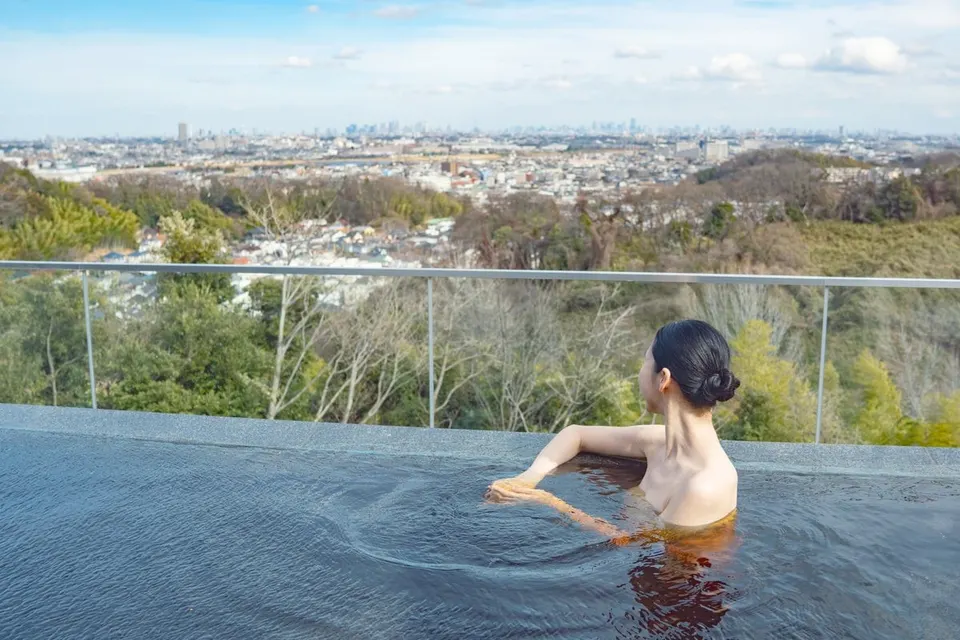
Bathing · 4 places
Onsen and sento
Choose a bath that suits you, then slow down.
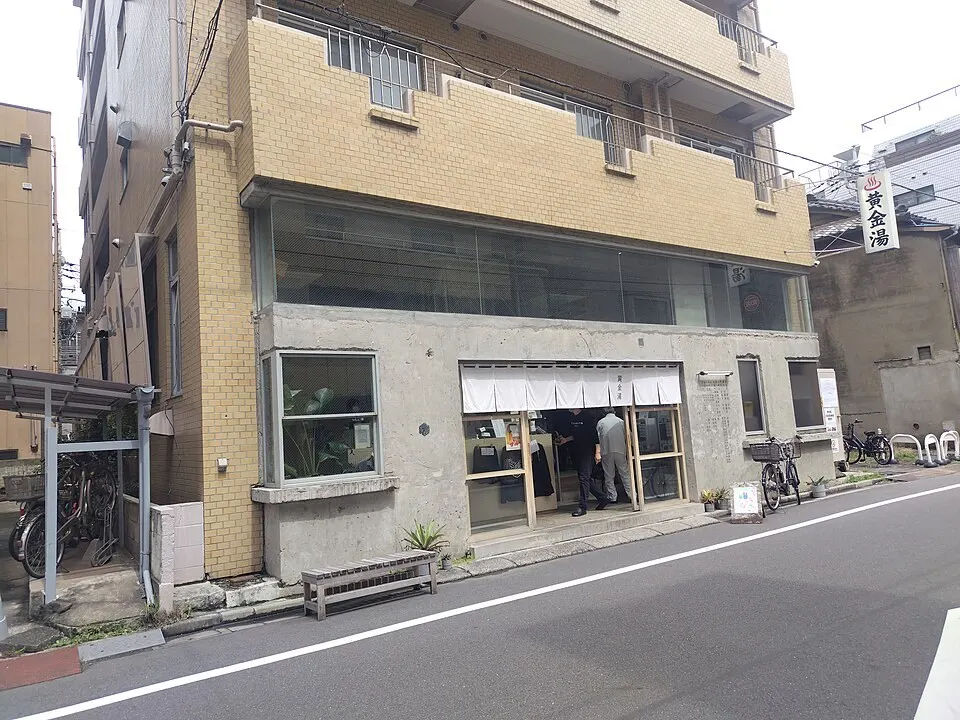
A neighborhood sento suits a short stop after a walk; a hot-spring complex is better with time for rest and a meal. These four existing places range from a Kinshicho bathhouse to a garden spa in Inagi. Plan each as a separate outing.
Check each facility’s age, tattoo, towel and sauna policies. Public baths are used without swimwear: wash and rinse before entering, keep towels out of the water, and put phones and cameras away in changing and bathing areas.
How to choose
If you have tattoos, consider Koganeyu, which permits them. LaQua, SAKURA and Kakeinoyu do not admit guests with tattoos. LaQua and SAKURA exclude children under six; Kakeinoyu excludes preschool children. At LaQua, ages 6–17 need a guardian and must leave by 18:00. Suggested visit times include changing, breaks and meals, not continuous soaking.
Kinshicho: a neighborhood bath1 places
Allow around 100 minutes at Koganeyu, with a Sumida walk or meal before or after. Allow extra time for sauna queues.
In the city: choose one spa2 places
Choose one and allow around 2–3 hours. Add time for meals, treatments or longer rests instead of crossing the city for a second bath.
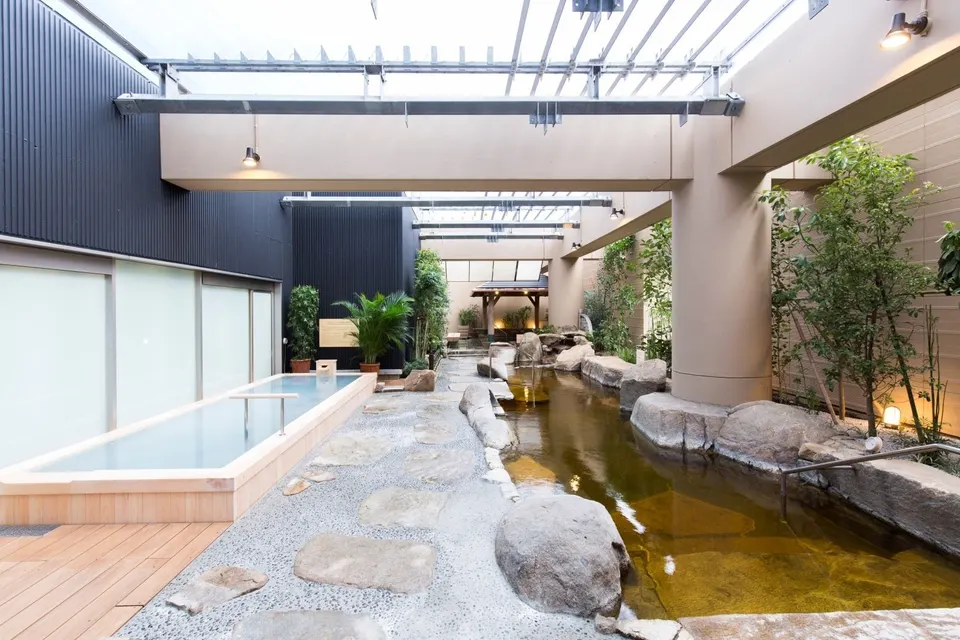 Spa LaQuaHongo · Urban natural hot springs and rest · Allow 150 minPublished in 2025 · Spa LaQua open-air bathAt Tokyo Dome City, combine bathing with dining. Healing Baden is for ages 18 and over, and late-night stays incur an additional charge.
- Photo not yet availableTokyo Somei Onsen SAKURAKomagome · Japanese natural hot springs and open-air baths · Allow 150 minA Japanese-style hot-spring facility in Somei. Towels and indoor wear can be rented separately. No overnight stays; leaving and returning requires paying again.
Inagi: a garden and spa afternoon1 places
Allow about 150 minutes at Kakeinoyu and 90 at HANA・BIYORI, plus a meal and return travel. Garden admission is included, but garden time still needs its own place in your day.