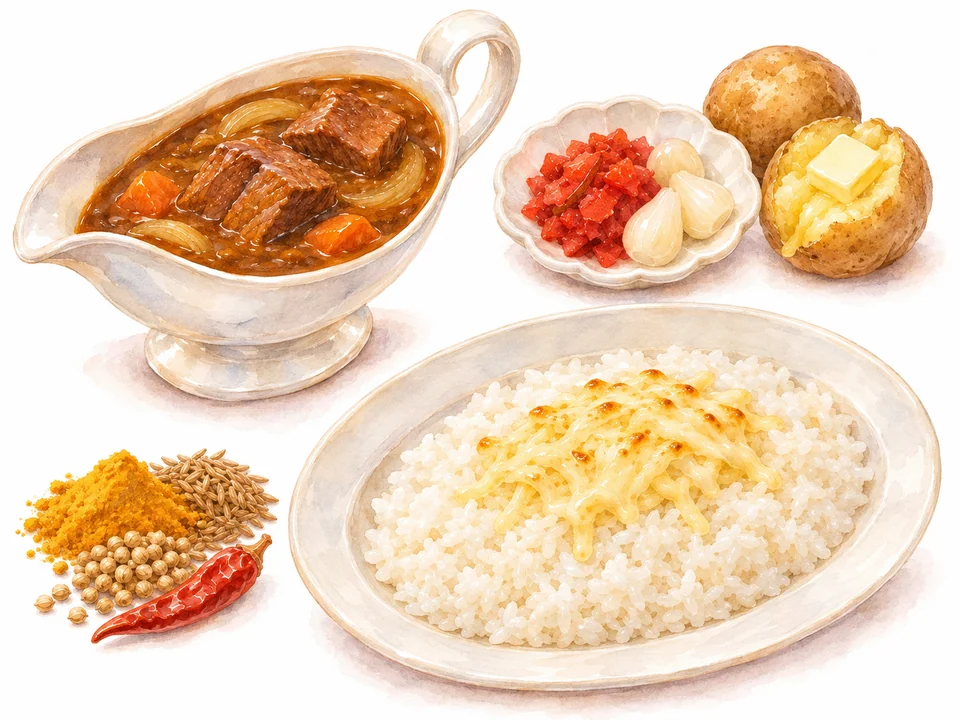
Stock, simmered vegetables and meat form the base; the texture ranges from soupy to thick.
From broth to thick sauce
 Soup curry
 Spice curry
 Indian and South Asian curry
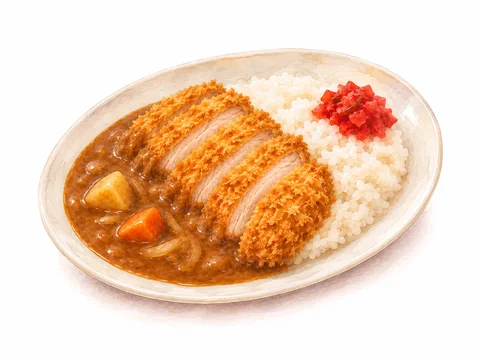 Japanese curry rice
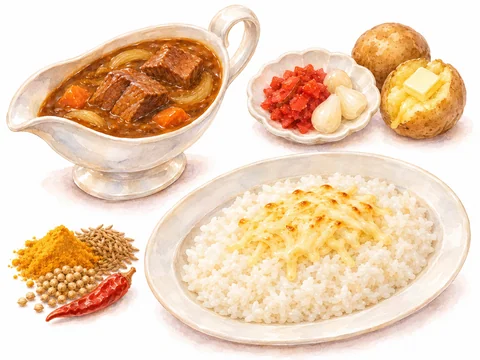 European-style curry
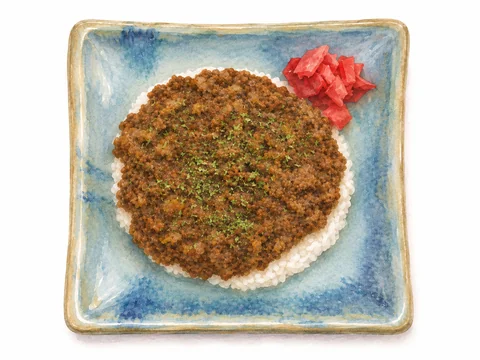 Dry and keema curry
Find your kind of curry
European-style curry
Built on a simmered sauce enriched with butter and dairy, for a rich, rounded taste.
Top 20 in Tokyo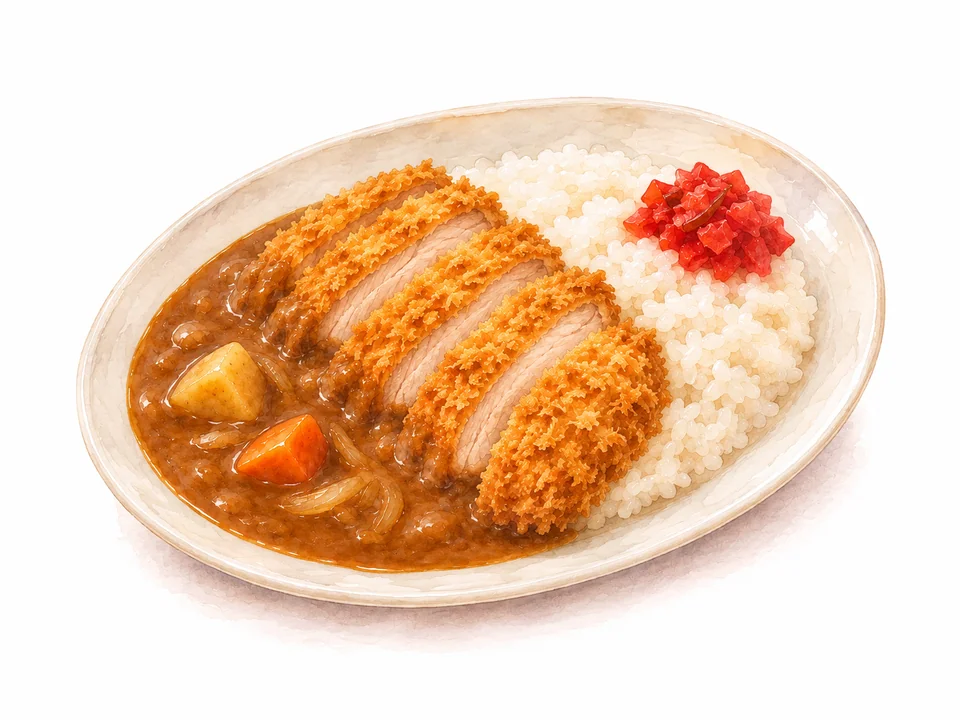
Japanese curry rice
A thick, homestyle sauce served with white rice and often a fried pork cutlet.
Top 20 in Tokyo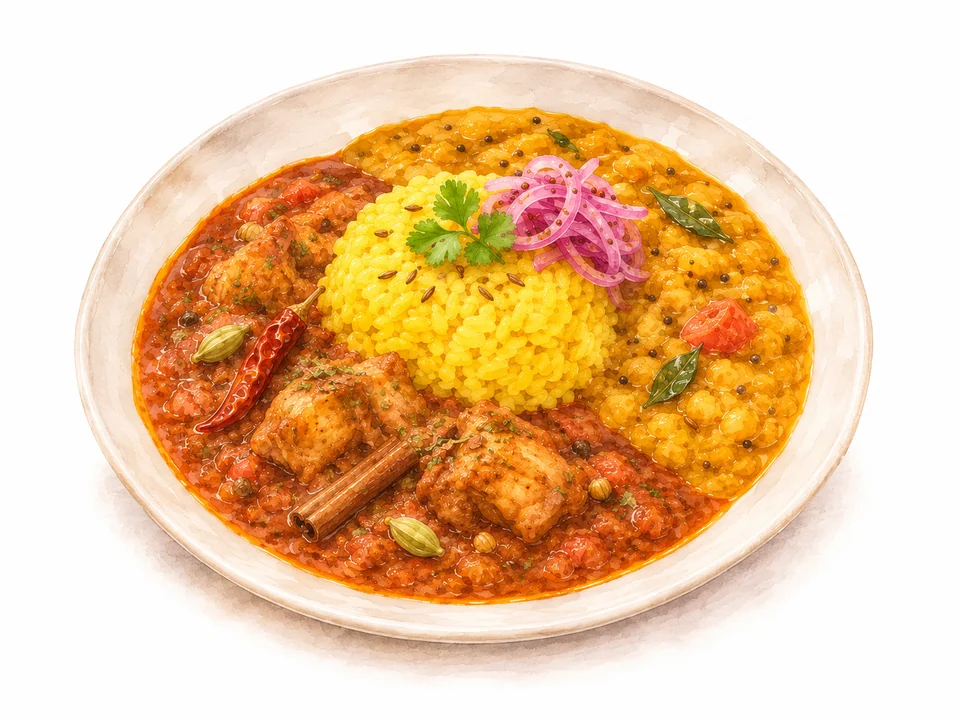
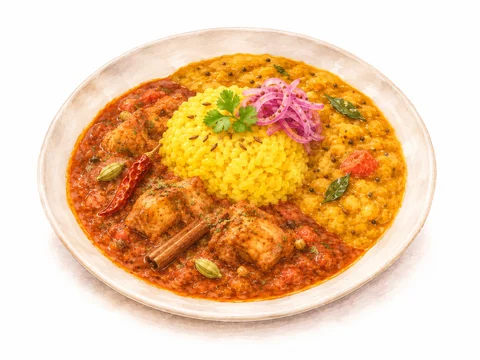
Spice curry
Freshly blended spices and sides, often served with two or three curries on one plate.
Top 20 in Tokyo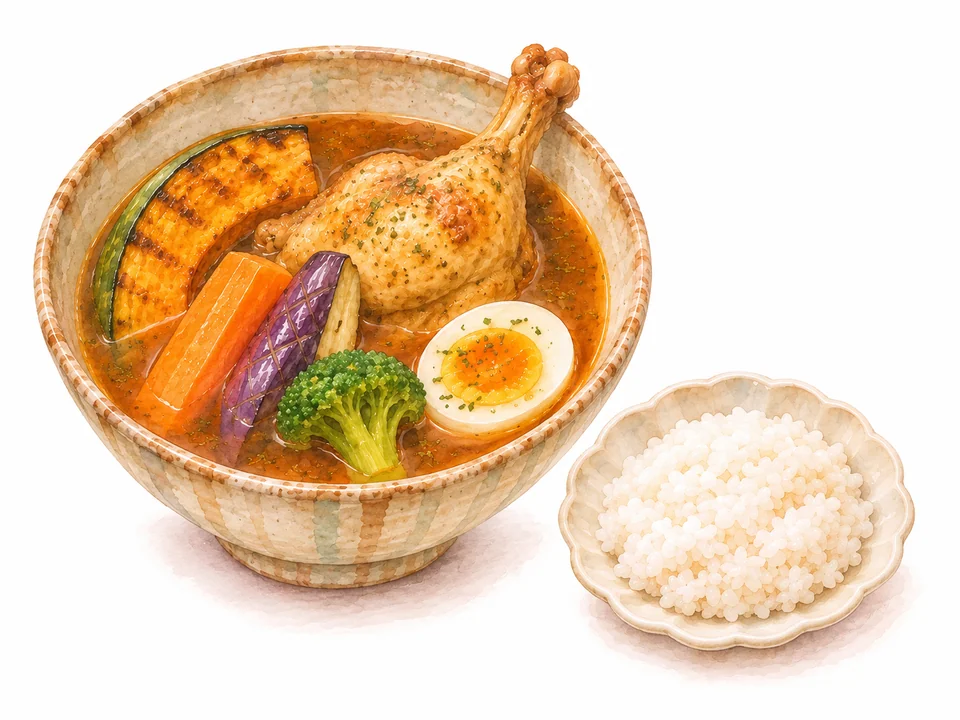
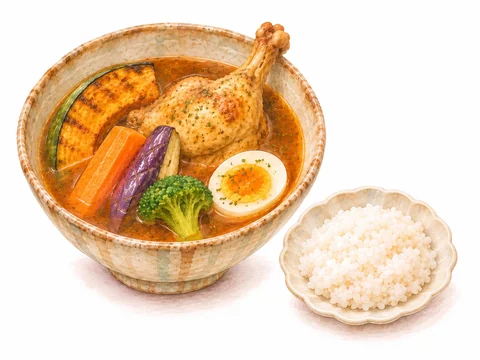
Soup curry
Sapporo-style spiced broth with chunky vegetables and rice on the side.
Top 20 in Tokyo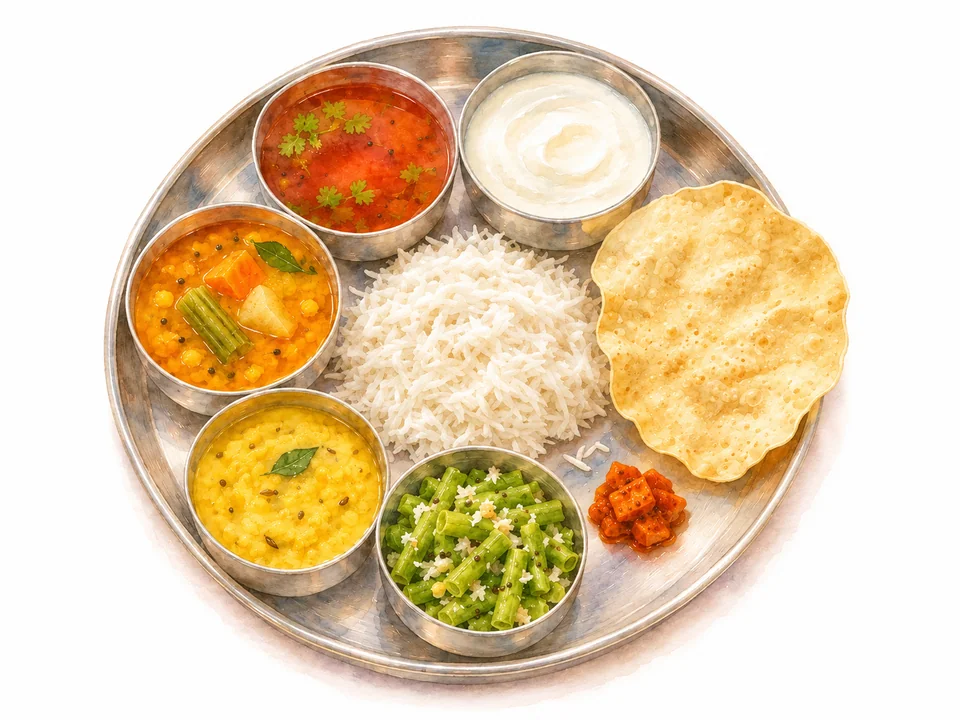
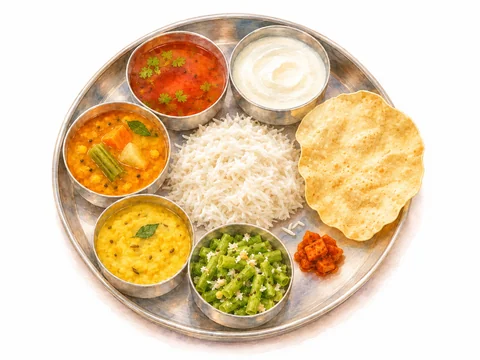
Indian and South Asian curry
From North Indian naan and South Indian meals to Nepalese and Sri Lankan cooking.
Top 20 in Tokyo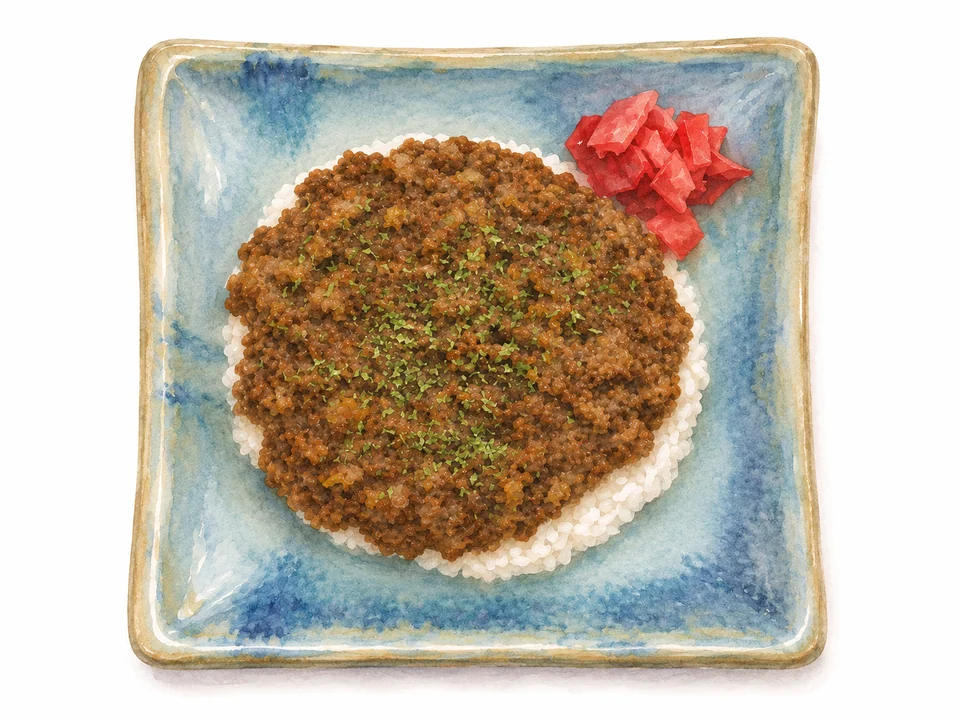
Dry and keema curry
Reduced minced curry over rice, or rice stir-fried with spices.
Top 20 in TokyoCurry specialties
Curry udon
Curry udon brings Japanese stock and curry spices together in one bowl.
Top 20 in Tokyo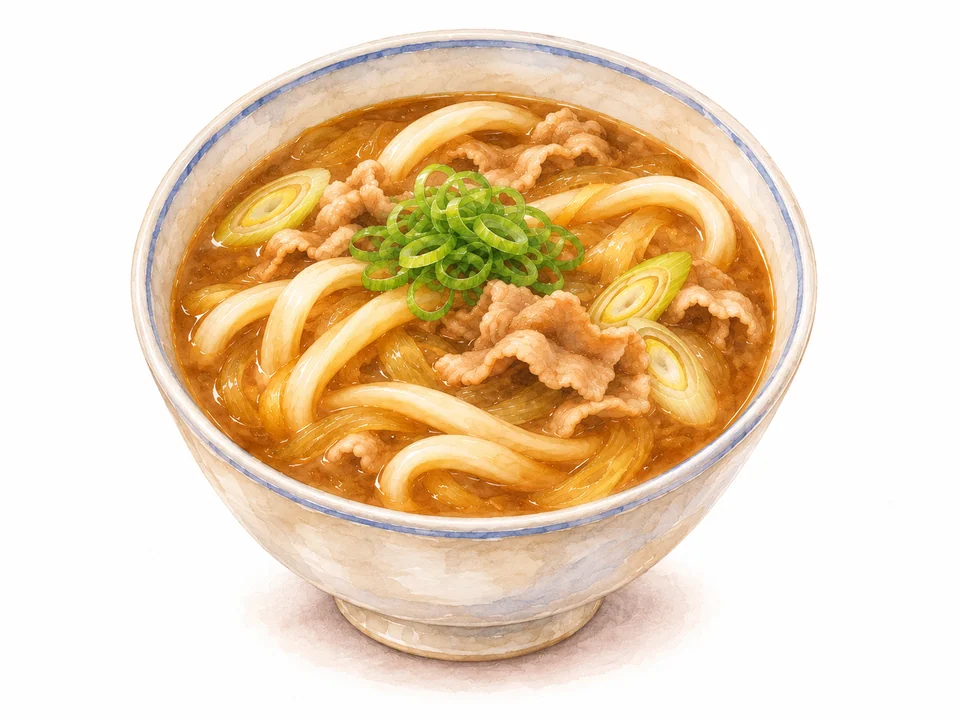
How curry reached the Japanese table
- 19th century
From South Asia to Japan via Britain
Curry travelled from South Asia to Japan via Britain. It reached Meiji-era Japan as a Western-style dish.
- 1872
Curry appears in Western cookbooks
Books such as Seiyō Ryōritsū published recipes. Curry was initially a dish served at Western-style restaurants.
- 1908
Curry enters the navy’s kitchens
A naval cookery manual included curry rice. Curry served with rice later became part of school lunches.
- From the 1970s
Sapporo develops soup curry
Sapporo’s medicinal-spice curries developed into a broth-based style. Magic Spice, which opened in 1993, popularised the name soup curry.
Jimbocho’s curry district
Browse used bookshops along Yasukuni-dori and Suzuran-dori, then turn into the side streets. Bondy’s European-style curry, Kitchen Nankai’s cutlet curry and Audrey’s soup curry are all within walking distance of Jimbocho Station.
Jimbocho neighbourhood guide